Across our global operations, TenCate Protective Fabrics manages energy use through a structured five-year Energy Efficiency Program. The program identifies areas of high energy consumption and prioritizes projects that can deliver measurable, long-term improvements. These initiatives include investments in energy-efficient equipment, heat recovery systems, improved insulation, and updated facility infrastructure. At our Zebulon Weaving Plant, this program directly informed the replacement of our air compressor system in 2026.
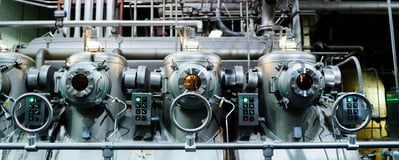
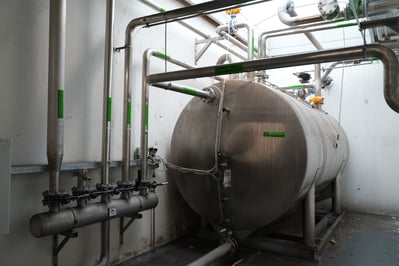
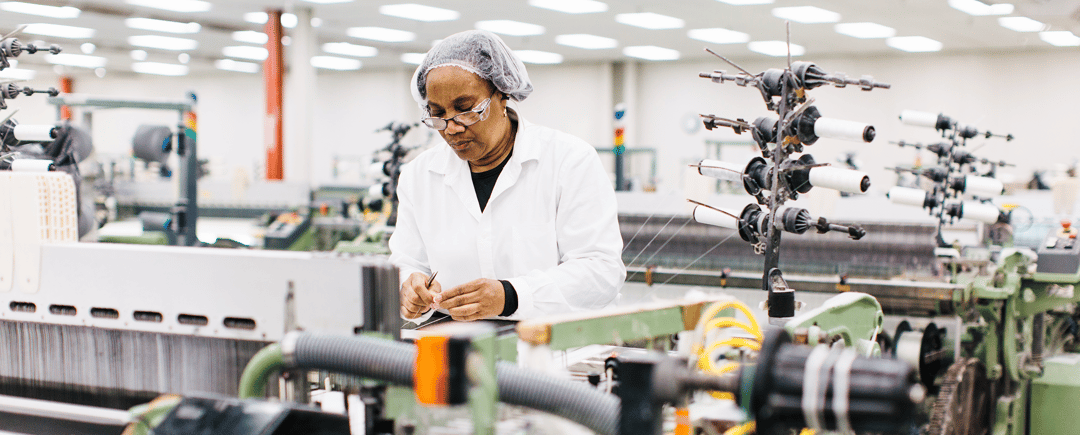
Air compressors play a critical role in our weaving operations, supplying the consistent air flow required for airjet looms. As part of a broader evaluation of our equipment, we identified an opportunity to upgrade to state-of-the-art, energy-efficient compressors. The result is a system that not only meets the technical demands of our processes but does so with reduced energy consumption.
Approved in 2025 and completed in May 2026, the project represents a total investment of $550,000. With the new system in place, we estimate a 9% reduction in annual energy consumption at the Zebulon facility. This decrease translates to an approximate 5% reduction in total greenhouse gas emissions at the site, directly connecting operational improvements to measurable environmental impact.
Beyond immediate efficiency gains, the upgrade also strengthens our production infrastructure. The increased air capacity prepares the facility for higher productivity levels, allowing us to scale operations without a proportional increase in energy demand. As production grows, this improved efficiency supports a more balanced overall energy profile.
By investing in updated compressor technology, we’ve taken a practical step toward reducing energy use while maintaining the operational standards required in textile manufacturing. It’s one example of how targeted equipment upgrades contribute to broader efforts around energy efficiency and emissions management across our operations.